
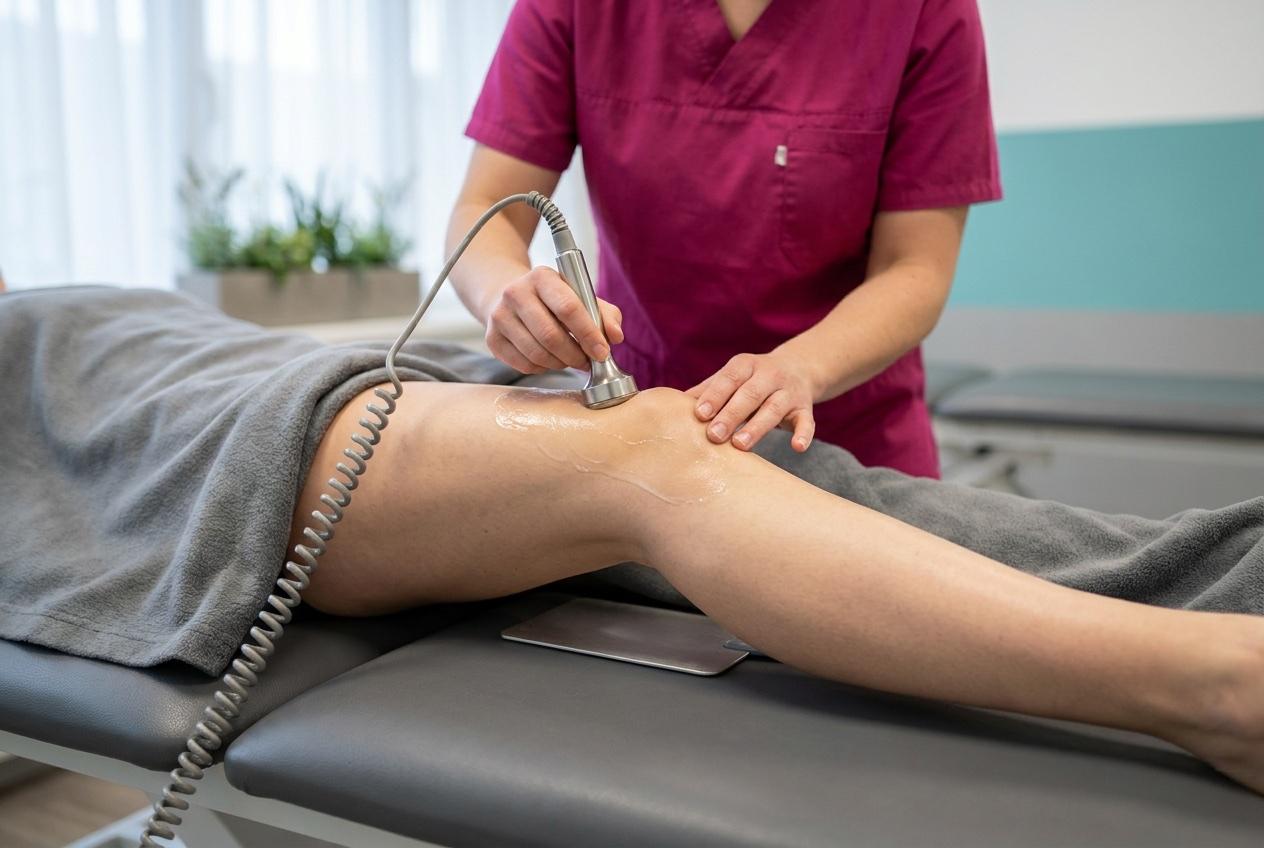
INDIBA physiotherapy in Tarragona
Do you have an injury that just won't heal? Discover INDIBA treatment at Fontanet, applied by a registered physiotherapist, and get your mobility and quality of life back.
What are the benefits of INDIBA?
- Pain relief: Radiofrequency can help reduce acute and chronic muscle and joint pain.
- Reduced inflammation: Deep heat helps clear localised inflammation.
- Faster recovery: It can speed up recovery from muscle, tendon and ligament injuries.
- Improved blood flow: It stimulates blood flow and cell metabolism, helping deliver oxygen and nutrients to the tissues.
- Muscle relaxation: It helps reduce tension and muscle knots before other techniques.
- Complements other treatments: It makes manual therapy, dry needling and therapeutic exercise more effective.
Prices
Manel Martínez
INDIBA session · 45 min
Radiofrequency combined with manual therapy and dry needling.
When is INDIBA indicated?
- Sports injuries: Overload, muscle tears and sprains.
- Tendinopathies: Shoulder, elbow, knee or Achilles tendinitis.
- Muscle knots and pain: Tension, overload and myofascial pain.
- After surgery: Functional recovery after an operation.
- Chronic pain: As part of a comprehensive treatment plan for osteoarthritis and musculoskeletal problems.
Who is INDIBA treatment for?
- Athletes: Footballers, runners, padel players and anyone who trains and wants to get back sooner and safely after an overload, a muscle tear or a sprain.
- People with long-standing pain: Knee osteoarthritis, or lower back or neck pain that keeps coming back: deep heat relieves pain and makes it easier to move and do your exercises.
- Patients after surgery: After knee, shoulder or ankle surgery, to regain mobility and reduce swelling in the area.
- Physical jobs or long hours sitting: Back, neck or shoulder muscle knots that keep returning due to posture or daily workload.
- Injuries that won't fully heal: Tendinitis or pain that has lasted weeks or months and has not improved with other treatments.
Treatment carried out by a physiotherapist
At Fontanet, INDIBA is not a machine that is switched on and left running: a registered physiotherapist applies it as part of a physiotherapy treatment. That is the difference from beauty clinics, which use radiofrequency on the skin for a different purpose and without assessing the injury.
We assess your injury before applying INDIBA
We decide whether it is the right treatment for you. There are situations in which it is not recommended (pacemakers, pregnancy or tumours in the area), which is why a prior assessment is essential.
What is INDIBA and how does it work?
INDIBA is a medical radiofrequency that works at 448 kHz. In physiotherapy it is also known as tecar therapy or radiofrequency diathermy (capacitive and resistive electric transfer). Unlike a hot pack or a lamp, it does not heat from the outside: the current flows between an electrode that the physiotherapist glides over the area and a plate placed elsewhere on the body, and the tissue itself produces the heat from within.
It has two modes. Capacitive mode acts on softer, water-rich tissues such as muscle and lymphatic tissue. Resistive mode reaches denser, deeper tissues such as tendons, ligaments, joint capsules and bone. Which one is used, or how they are combined, depends on which structure is injured.
The intensity is also adapted to the stage of the injury. In a recent or inflamed injury, treatment is applied with hardly any heat (athermal mode), aiming for the biological effect on tissue repair. In a longer-standing injury or a muscle knot, the intensity is increased to generate deep heat, which relaxes the muscle, improves circulation and makes the tissues more elastic.
What is an INDIBA session at Fontanet like?
- Assessment: The physiotherapist asks about your injury, examines the area and rules out contraindications. If INDIBA is not what you need, we will tell you and suggest another technique.
- Application: You lie on the treatment table, we place the return plate in contact with your skin and apply the electrode with a conductive cream over the area. You will feel a gentle, pleasant warmth; the intensity is adjusted to what you feel.
- Combined treatment: In the same session, INDIBA is usually combined with manual therapy, dry needling or therapeutic exercise, depending on the injury.
- Afterwards: You can carry on as normal when you leave. We will give you exercise or loading guidelines for home and an estimate of how many sessions you will need.
“Muy contenta con el resultado obtenido con la rehabilitacion el Fisio Sergio que me atendio y las chicas de recepcion te hacen sentir super bien.”
Pilar Aq
“Estuve con Gerard haciendo sesiones para mejorar dolor cervical y el trato fue excelente. Personal muy atento y Gerard un buen profesional. Un centro ideal para hacer rehabilitacion.”
Luis De La Cruz
“Les pongo 5 estrellas porque no puedo ponerles 10, son un equipo maravilloso que me ha ayudado en todo, desde Mónica en recepción hasta Gerard, Alba y María en todas las sesiones de rehabilitación, muchísimas gracias por todo sois grandes personas!!”
Anna Roldán
“He venido por dolor en la zona cervical, y he tenido el gusto de que me tratará Gerard, muy buen profesional y muy amable, lo aconsejo.”
Fidela Olaondo
“Totalmente recomendable, el Equipo que lo forman y con el que tuve el placer de coincidir e empatizar, y junto con el staff de prácticas, de 10! Súper atentos y en especial, Alba por sus esfuerzos para recuperarme de mi rotura fibrilar en tiempo récord!”
Daniel De los Mozos Pérez
“Soy Elisa,he recibido tratamiento para cervicalgia,he notado mejoría y Gerard me ha atendido muy bien. Volveré,pasado el verano,para reforzar lo conseguido.Gracias y buen verano!”
Nemely Garde
Related articles
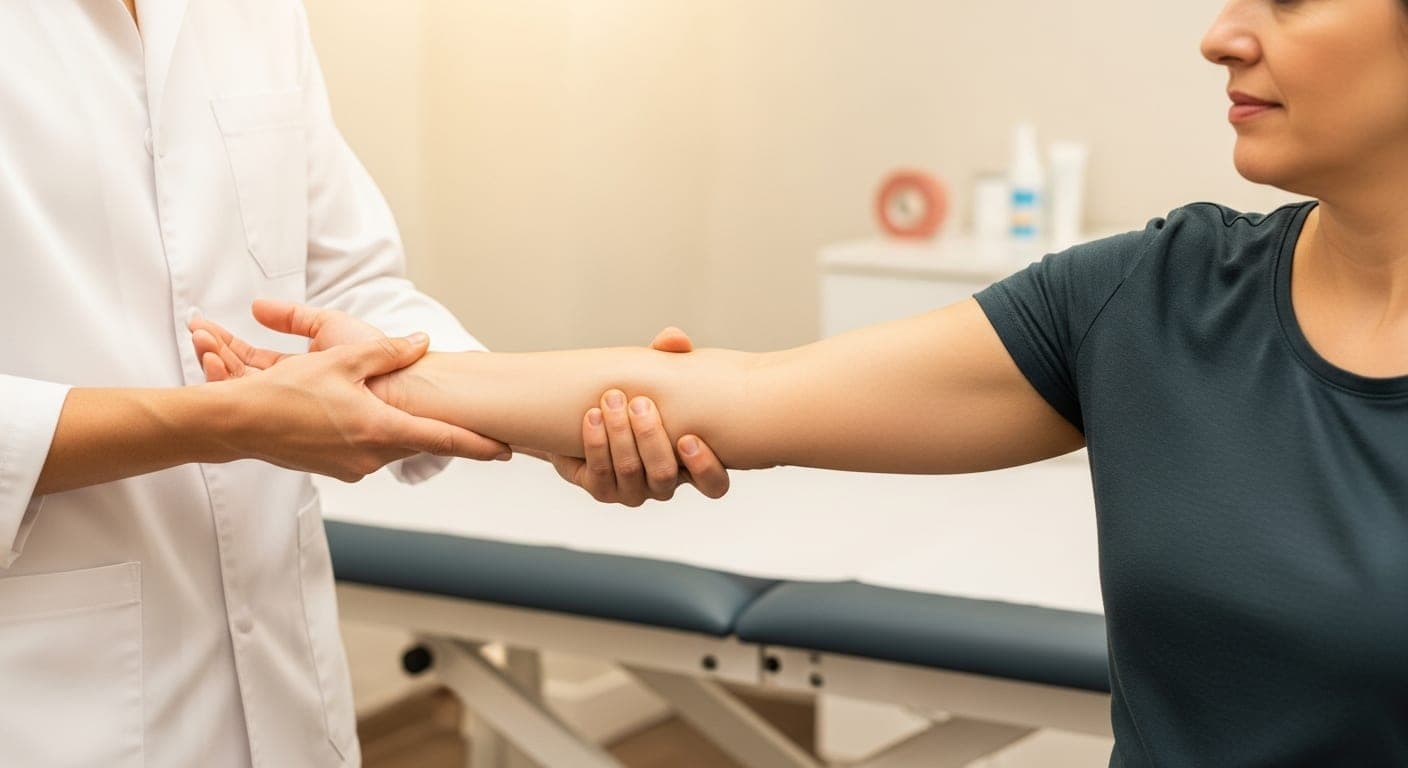
Tendinitis: Types, Symptoms and Physiotherapy Treatment
Tendinitis is an inflammation of the tendon that causes pain and functional limitation. Learn about the most common types and their treatment.
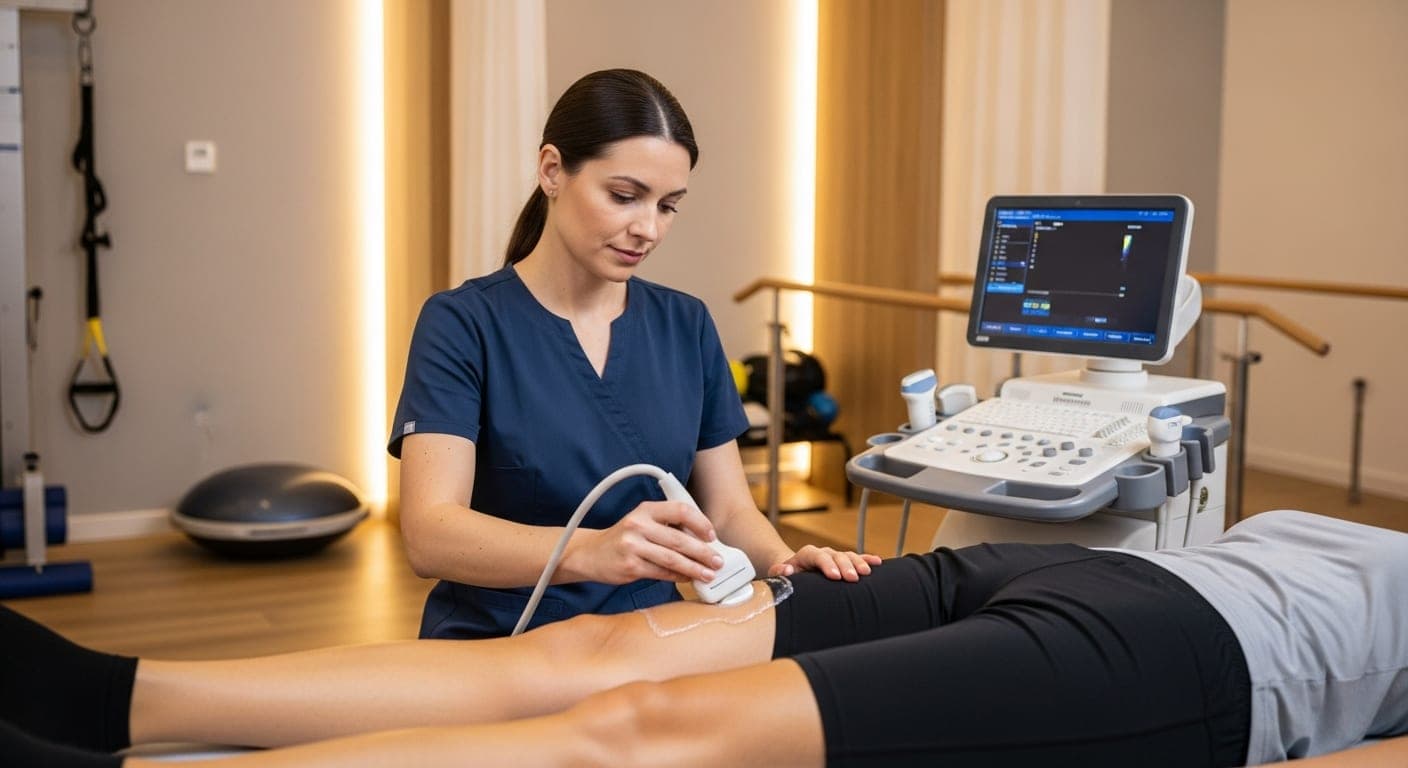
Muscle Fibre Tear: Grades, Treatment and Recovery
A muscle fibre tear is a common injury in athletes. Learn about the grades, appropriate treatment and recovery times.
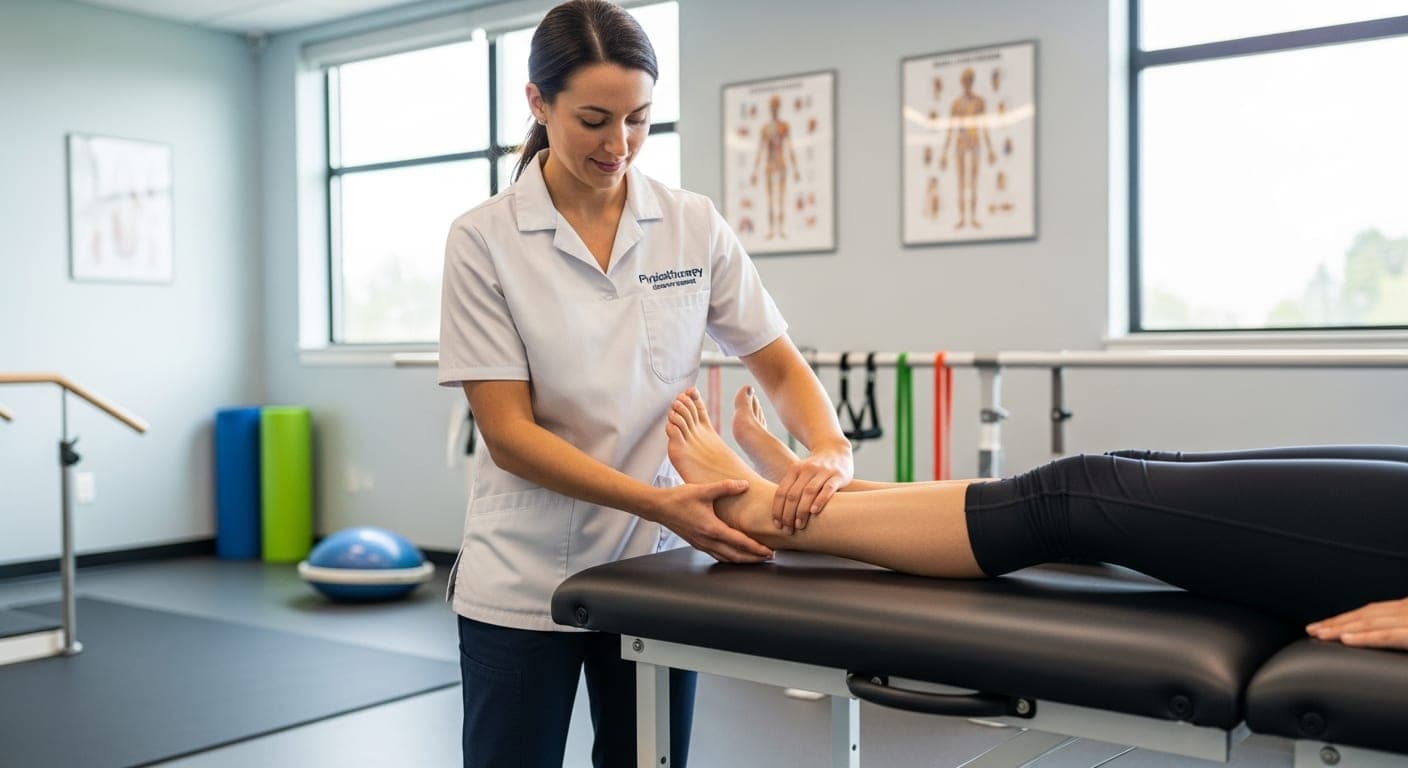
Ankle Sprain: Treatment and Rehabilitation with Physiotherapy
Ankle sprain is the most common joint injury. Discover the grades, proper treatment and how to prevent recurrences.
Frequently Asked Questions
Can we help you?
Get in touch with us if you want to know how we can help improve your health.